
Skip to content

Dermo | detergent factory

Front page » Pet Floor Cleaner

Pet Floor Cleaner

pet floor cleaner

What should a good pet floor cleaner have?

First, it's important to check the product's ingredients. Biodegradable and low-toxicity ingredients are always preferable to harsh formulas containing ammonia or concentrated bleach. In fact, many conventional cleaners contain compounds that, while safe for humans, can irritate the sensitive skin of dogs and cats. Therefore, checking the label before buying is essential.

Likewise, the product's pH directly influences its safety. For example, pH-neutral formulas are more suitable for homes with pets, as they reduce the risk of irritation if the animal comes into contact with the freshly mopped floor. Consequently, this type of pet floor cleaner It has become the preferred choice among veterinarians and animal welfare specialists.

pet floor cleaner

How home cleaning affects your pets' health

On the other hand, home cleaning has a direct impact on your pets' health. Floors accumulate bacteria, food scraps, and microorganisms that can cause digestive problems or allergies if your pet licks them or walks barefoot on them. Therefore, cleaning regularly with a suitable product significantly reduces the risk of infections and skin irritations.

It's also important to remember that animals explore their environment primarily through their sense of smell. Similarly, products with very strong fragrances can be bothersome or even stressful for them, even if they seem pleasant to people. Likewise, a pet floor cleaner With a mild or neutral scent, it promotes a calmer environment for your pet, without sacrificing the feeling of cleanliness.

Ingredients to avoid and which ones to look for

There are ingredients that should be completely avoided in homes with pets. These include phenol, found in some disinfectants, and certain concentrated essential oils that are particularly toxic to cats. Additionally, products containing pure chlorine can produce fumes that are irritating to the respiratory systems of more sensitive animals.

On the other hand, it is advisable to look for mild surfactants, biodegradable agents, and formulas certified as suitable for homes with pets. For this reason, many specialized manufacturers include specific information on their labeling regarding compatibility with dogs and cats. If you want to learn more about which substances are safe for pets, this guide on toxic pet products offers reliable and up-to-date information.

Usage tips to maximize results

Regarding daily use, some practical tips will help you get the most out of the product. First, it's advisable to ventilate the room while the floor dries to eliminate any lingering chemical odor. Additionally, it's best to wait until the surface is completely dry before letting your pet into the room, thus avoiding direct contact with the liquid.

Likewise, correctly dosing the product according to the manufacturer's instructions prevents both waste and the risk of leaving residue on the floor. Similarly, cleaning high-traffic areas, such as the entrance to the house or the pet's eating area, more frequently helps maintain overall home hygiene. Therefore, a well-planned cleaning routine is more effective than intensive but sporadic cleaning.

Why choose a professional pet floor cleaner

Finally, betting on a pet floor cleaner Professional-grade products offer additional guarantees compared to generic products. For one thing, specialized brands typically subject their formulas to stricter quality controls. Furthermore, they offer superior performance thanks to concentrated formulas, which also translates into lower costs in the long run.

In short, choosing a good pet floor cleaner It's not just an aesthetic issue, but a decision that directly affects the well-being of the animals living in your home. Therefore, investing in a safe, effective product specifically designed for these environments is the best way to keep your house clean without compromising your pets' health. If you'd like to learn more about our product, you can explore our [link/product/service]. pet floor cleaner and find out why so many households already trust this formula.

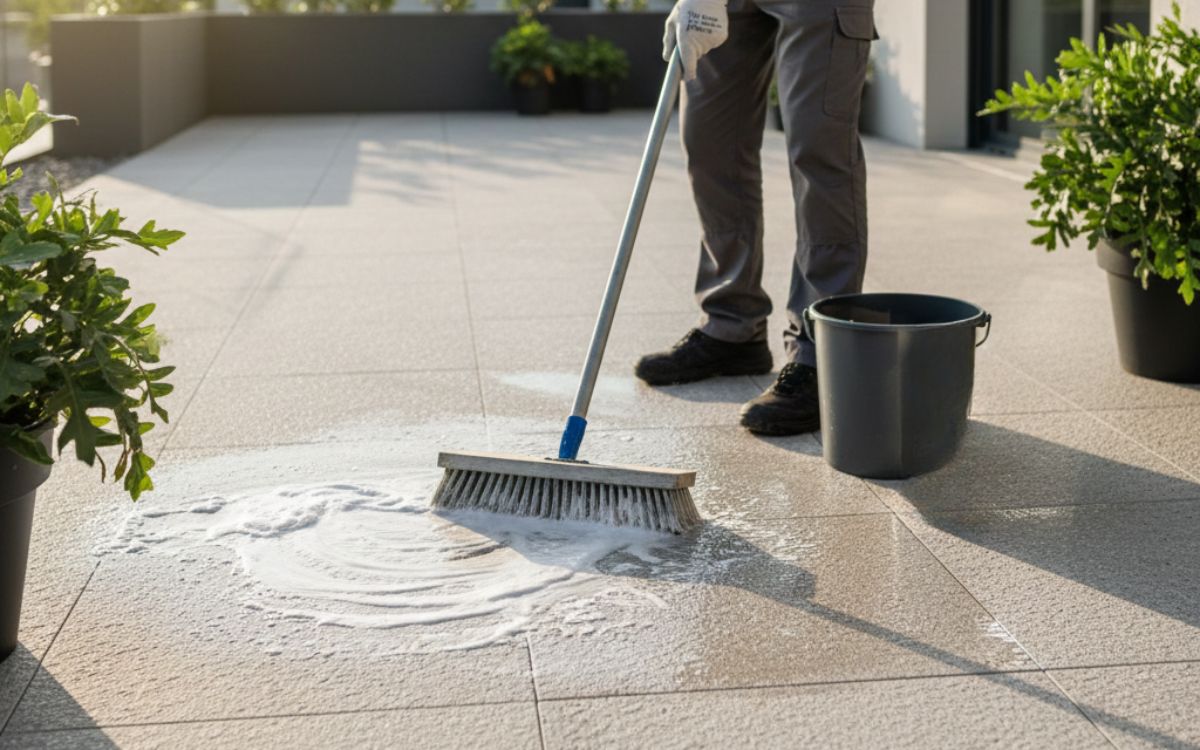
On the other hand, it's worth debunking some common myths about cleaning in homes with pets. Many people believe that the stronger a product smells, the cleaner the floor will be, when in reality the opposite is true. In fact, a strong chemical odor usually indicates a high concentration of solvents, not necessarily greater disinfectant effectiveness. Therefore, it's not advisable to rely solely on the scent when evaluating a product.
pet floor cleaner

Myths and common mistakes when cleaning with pets

Another common mistake is mixing different cleaning products in the hope of enhancing the results. However, combining bleach with other disinfectants can generate toxic fumes that are dangerous for both people and animals. Therefore, it is always safest to use a single product specifically formulated for the intended use, without improvising homemade mixtures.

Regarding cleaning frequency, there's no single answer that applies to all households. However, as a general rule, it's recommended to mop floors at least two or three times a week in homes with pets, and daily in areas where the animal eats or relieves itself. Similarly, after incidents such as an accident or a mud stain, it's advisable to clean the area immediately to prevent residue from adhering to the surface.

Finally, another often overlooked aspect is the condition of cleaning tools. A dirty mop or dustpan can reintroduce bacteria to freshly cleaned floors, negating some of the effectiveness of the cleaning product. For this reason, it is recommended to thoroughly wash cleaning tools after each use and allow them to dry completely before storing them, thus preventing the proliferation of unpleasant odors and microorganisms.