Prevent the appearance of bacteria and microorganisms with professional cleaning products
In the hotel sector, the perception of cleanliness is as important as actual cleanliness. However, numerous studies have shown that up to 351% of hotel room surfaces can remain contaminated even after standard cleaning. This data highlights a worrying reality: without rigorous cleaning protocols, professional cleaning, Bacteria and microorganisms can persist in both guest rooms and common areas, compromising guest safety.
Critical surfaces: the invisible points of risk
Hotel rooms have numerous frequently touched surfaces: light switches, remote controls, doorknobs, faucets, telephones, and bedside tables. These areas, although seemingly clean, can act as reservoirs for microorganisms if proper disinfection techniques are not applied.
The problem lies not only in visible cleanliness, but also in the effective elimination of pathogens. Many traditional routines rely on surface cleaning, without guaranteeing complete disinfection. This favors the survival of resistant bacteria that can be easily transferred between hosts.
In common areas such as receptions, elevators, gyms, or cafeterias, the risk multiplies due to the high volume of people. Without a structured protocol... professional cleaning, These areas can become points of continuous spread of microorganisms.
Why is conventional cleaning not enough?
Conventional cleaning typically focuses on removing visible dirt, but it doesn't always eliminate biological agents. Furthermore, common errors such as the incorrect use of products, insufficient contact time, or the reuse of contaminated materials can drastically reduce the effectiveness of the process.
For example, using the same cloth on different surfaces without prior disinfection can cause cross-contamination. Similarly, applying a disinfectant without allowing enough time for it to work limits its ability to eliminate viruses and bacteria.
This is where the professional cleaning, which involves not only specific products, but also defined protocols, staff training, and quality control in each intervention.
Professional cleaning protocols: a systematic approach
The application of protocols of professional cleaning In hotels, it is based on a structured methodology that guarantees consistent and safe results. These protocols include:
- Identification of critical areas and risk levels.
- Use of appropriate detergents and disinfectants according to the surface.
- Differentiated cleaning techniques (from top to bottom, from clean to dirty).
- Color coding to prevent cross-contamination.
- Control of contact times of disinfectant products.
In addition, verification systems are incorporated, such as internal audits or microbiological controls, which allow the actual effectiveness of cleaning to be measured.
This approach not only reduces the bacterial load, but also improves traceability and the ability to respond to potential health incidents.
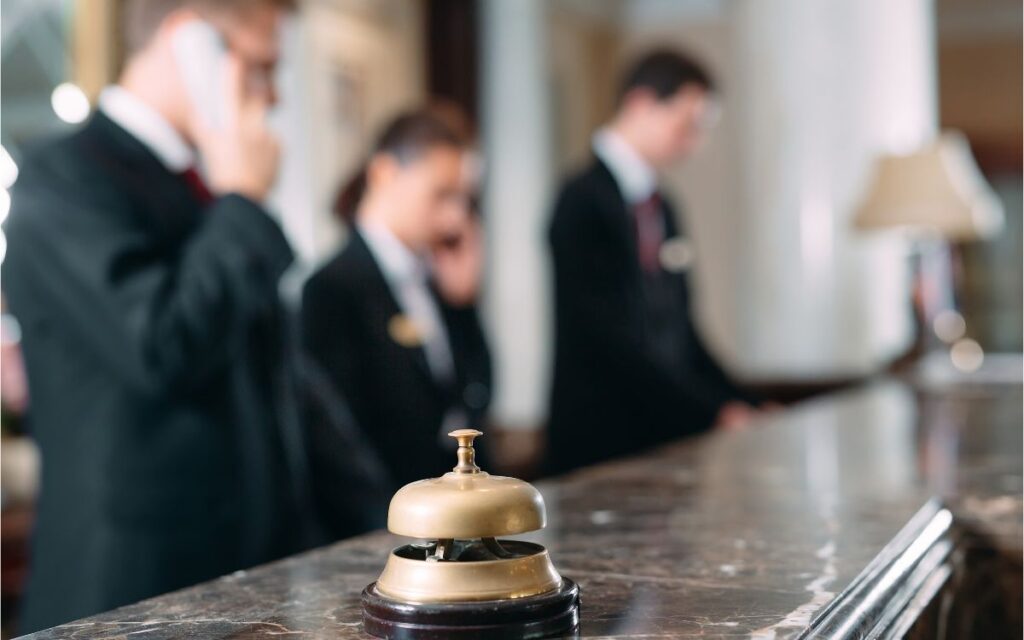
Impact on guest experience and hotel reputation
Cleanliness is one of the most valued factors by guests and a major reason for negative reviews when it falls short. An environment that doesn't meet adequate standards can directly affect a property's reputation.
Apply protocols of professional cleaning It not only protects health, but also inspires confidence. Customers can tell when a space is properly sanitized, especially by details such as the smell, the absence of residue, or the overall condition of the surfaces.
In a context where hygiene has become more important, hotels that invest in professional processes manage to differentiate themselves and build customer loyalty.
Reduction of health risks and prevention of outbreaks
One of the main benefits of the professional cleaning It is the reduction of the risk of infections. In environments where there is a constant turnover of people, the accumulation of microorganisms can lead to outbreaks if not properly controlled.
Well-designed protocols allow:
- Eliminate bacteria and viruses effectively.
- Reduce the spread between guests and staff.
- Maintain consistent hygiene levels in all areas.
Furthermore, they help to minimize the presence of resistant microorganisms, a growing problem in environments with high exposure to misused cleaning products.
The importance of staff training
A protocol is only as effective as its correct implementation. Therefore, training for cleaning staff is a fundamental pillar within the professional cleaning.
Teams should know:
- Which product to use on each surface.
- How to apply it correctly.
- What mistakes to avoid so as not to compromise disinfection.
Ongoing training ensures that procedures remain up-to-date and aligned with current health regulations.
The best investment to improve the guest experience
The fact that up to 351% of a hotel's surfaces can remain contaminated demonstrates that traditional cleaning is no longer sufficient. The implementation of protocols for professional cleaning It becomes a strategic necessity to guarantee safety, service quality, and customer confidence.
It's not just about cleaning, but about disinfecting judiciously, preventing risks, and ensuring that every space—from a room to an elevator—meets the most demanding standards.
In today's hotel industry, hygiene is not an added value: it's an essential requirement. And only through well-executed professional cleaning is it possible to achieve this.